Complete Tattoo Aftercare Guide: Healing and Maintenance
Proper aftercare is the single most important factor in how your tattoo heals and how it looks years from now. Cut corners here and you risk infection, fading, or scarring that no touch-up session can fully fix. This guide walks you through every stage of healing with artist-tested protocols.
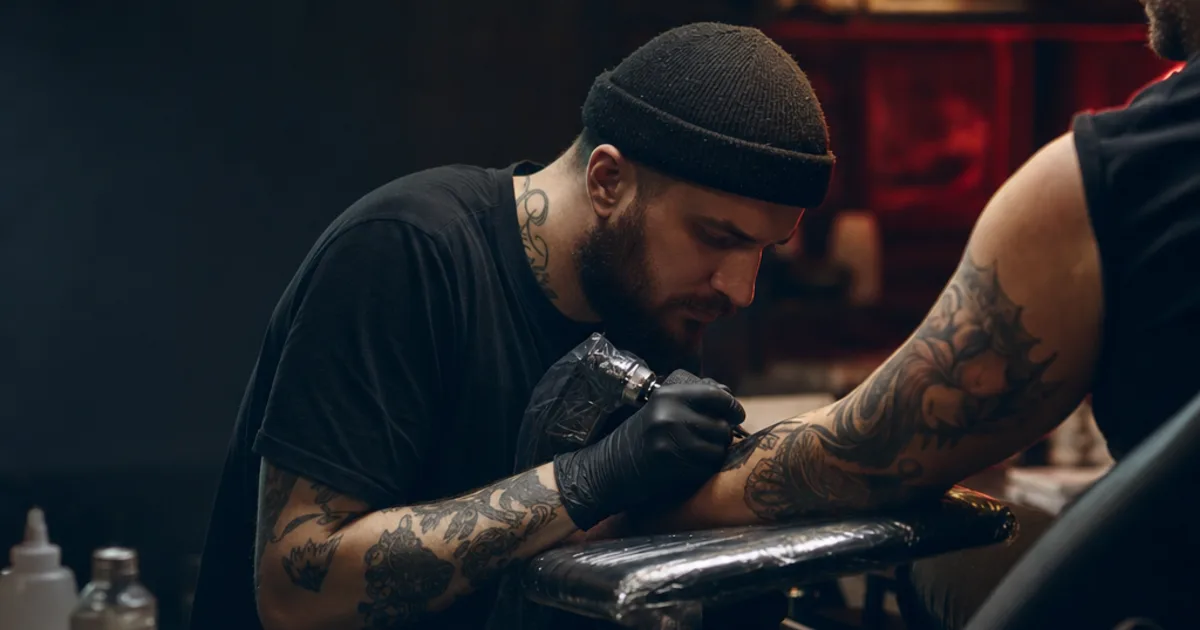
First 24 hours: what to do immediately
The moment you leave the studio, aftercare starts. Your artist will have wrapped your fresh tattoo in cling film, surgical tape, or a specialized dressing. That wrap stays on for 2-4 hours — no longer, no shorter. Remove it carefully in a clean environment, ideally your bathroom with freshly washed hands.
Once the wrap is off, wash the tattoo with lukewarm water and fragrance-free antibacterial soap. Use your fingers, not a washcloth — anything abrasive can damage the open skin. Pat dry with a clean paper towel; cloth towels harbor bacteria. Let it air dry for another 15-20 minutes before applying any product.
Now for the controversial part: ointment or no ointment? Most artists recommend a thin layer of fragrance-free healing ointment (Aquaphor, A&D) for the first 2-3 days. Apply just enough that the tattoo glistens — it should not be swimming in product. Too heavy and you trap bacteria; too dry and it scabs and cracks. After day three, switch to a light, unscented moisturizer.
Healing stages: week one to month one
Healing happens in distinct phases. Days 1-3 you'll see plasma, blood, and ink — clear fluid weeping from the tattoo is normal. Keep it clean and moisturized but never re-wrap. Your tattoo may feel warm, swollen, or tender. Some redness around the edges is expected; redness spreading rapidly or radiating heat suggests infection.
Days 4-7: scabs begin to form. Let them form and let them fall off on their own. Never pick scabs. I cannot stress this enough — picking pulls out ink and creates uneven patches where the pigment is gone forever. Itching will be relentless. Do not scratch. Slap it if you must, pat it with cool water, but never scratch. During this week, washing reduces to once or twice daily with gentle soap.
Week 2: scabs flake off as the skin peels. This can look alarming — like your tattoo is shedding — but it's the final layer of damaged skin exiting. Continue light moisturizing. The tattoo will look dull and cloudy, almost faded. This is the \"ghosting\" phase where new skin forms over the ink. The true colors won't show until the skin fully heals.
Weeks 3-4: surface healing completes. The tattoo is no longer an open wound, but deeper layers are still settling. Some fading during this period is normal as excess pigment is shed by the body. By week four, most tattoos have recovered their vibrancy. That said, full visual clarity takes up to six months as the ink settles deep in the dermis and the skin texture normalizes.
Common aftercare mistakes that ruin tattoos
Every artist has a horror story about a client who ruined a great piece through neglect. The most common mistake: submerging in water for the first two weeks. No swimming pools, hot tubs, oceans, lakes, or baths. Showers are fine. Soaking in any body of water introduces bacteria and breaks down healing tissue. Chlorine pulls color; salt water irritates and can cause infection. If you need to bathe, keep the tattoo above water or use waterproof tape as a barrier.
Sun exposure is another killer. UV rays break down pigment even in fully healed tattoos, but during healing, the damage is accelerated. Keep fresh tattoos covered or stay out of direct sunlight for at least four weeks. After healing, use high-SPF sunscreen on your tattoo whenever you're outside. Sunburn on a fresh tattoo can cause blistering, peeling, and permanent fading.
Clothing choice matters more than people think. Tight clothing that rubs against a healing tattoo causes friction burns and pulls scabs. Synthetic fabrics trap sweat and bacteria. Loose, breathable cotton is ideal. For the first few days, wear clothing that won't catch on the wrap or scabs. Bedding is equally important — clean sheets, no pets in bed (their fur carries bacteria), and try to sleep with the tattoo exposed to air if possible.
Over-moisturizing is surprisingly common. Slathering on thick ointment turns healing tissue into boggy, fragile mush that doesn't heal correctly. Moisturizer should be the consistency of light lotion, not heavy cream. Apply thin layers. If the tattoo feels wet or sticky all the time, you're using too much product.
How to avoid infection
Infection is scary but manageable if you act fast. Red flags: spreading redness that does not go away, increasing swelling after day three, throbbing pain accompanied by heat, yellow or green discharge, fever, or red streaks extending from the tattoo. If you see any of these, contact your artist immediately. They can assess whether it's normal reaction or infection. Your primary care doctor or urgent care is next if serious.
The single best infection prevention: clean hands. Every time you touch your tattoo during healing, wash your hands first. Do not let other people touch it. Keep pets with their fur and dander away from it. Maintain a clean environment — change your bed sheets regularly during the first week, keep your bathroom clean, and never touch your tattoo with dirty towels or clothing.
Watch out for allergic reactions to products. Some people react to healing ointments, antibiotic creams, or even the tattoo ink itself. If you develop a rash, blisters, or inflammation that looks worse than normal healing, discontinue products and consult your artist.
Swimmer's itch and hot tub rash are real risks. Avoid any shared water environments during healing. If you absolutely must swim (not recommended), apply waterproof medical tape designed for wounds, and even then, the risk is substantial. Better to wait the two weeks fully.
Long-term care: keeping tattoos sharp for years
Healing is temporary, long-term care is permanent. Sunscreen is the single most important tool for tattoo preservation. UV light breaks down ink pigments gradually, turning blacks into faded grays and vibrant colors into washed-out pastels. Apply SPF 30 or higher whenever any part of your tattoo is exposed to sunlight. Over years, this habit can extend the life of your ink by decades.
Moisturizing isn't just for healing. Well-hydrated skin holds ink better than dry, papery skin that cracks and flakes. Apply a quality moisturizer daily to tattooed areas. During winter when skin gets especially dry, increase frequency. The healthier your skin, the better your tattoo will look.
Touch-ups are sometimes necessary. Areas that experience heavy friction (hands, feet, elbows) fade faster. Thin lines can blur over decades as ink migrates slightly in the skin. Artists usually offer touch-up policies within the first year for free or reduced cost. After that, expect to pay. When considering touch-ups, wait until at least six months post-healing to assess whether fading is permanent or just the normal settling process.
Lifestyle affects longevity. Drinking regularly causes dehydration which speeds upskin aging and ink fading. Smoking restricts blood flow which slows healing and contributes to overall poor skin condition. Rapid weight gain or loss stretches skin and distorts tattoos. While you can't control everything, living healthily helps your tattoos stay crisp.
Before you book
- Remove wrap after 2-4 hours, wash with fragrance-free antibacterial soap, pat dry with paper towel, apply thin ointment layer
- Days 1-3: plasma weeping is normal. Days 4-7: scabs form, never pick or scratch. Week 2: peeling and cloudiness are normal
- No water submersion for 2 weeks - no pools, oceans, hot tubs, or baths. Showers only
- Avoid direct sunlight for 4 weeks; after healing, always use SPF 30+ sunscreen on tattoos
- Wear loose, breathable cotton clothing and clean bedding. Keep hands washed before every touch
- Signs of infection: spreading redness, heat, throbbing, colored discharge, fever, fever - contact doctor immediately
Questions clients ask
How long until my tattoo is fully healed?
Surface healing is complete in about 4 weeks. Full healing, where the ink has completely settled in the dermis, takes up to 6 months. The colors and sharpness will continue to clarify during this entire period.
Can I go swimming after getting a tattoo?
No. Avoid swimming pools, oceans, lakes, hot tubs, and baths for the first 2 weeks. Soaking in water introduces bacteria and healing tissue is fragile. Showers are fine, but keep them brief and avoid soaking the area.
What happens if I pick my tattoo scabs?
Picking pulls ink out of the skin and creates uneven patches where pigment is lost permanently. It also increases infection risk and can cause scarring. Scabs will fall off naturally - never pick, scratch, or peel them.
Is it normal for my tattoo to look faded during healing?
Yes. tattoos often look dull, cloudy, or faded during the peeling phase (week 2-3). This is new skin forming over the ink. Colors will return as the skin fully heals, typically by week 4-6.
Can I re-wrap my tattoo at night?
Generally no. Wrapping after the initial 2-4 hours traps moisture, heat, and bacteria, which can cause infection and blurry healing. Most artists recommend leaving it unwrapped except for brief, necessary protection times.
What if I accidentally submerge my tattoo in water?
Wash it immediately with antibacterial soap and pat dry with a clean paper towel. Watch for signs of infection over the next 48 hours (redness, swelling, discharge). If anything looks wrong, contact your artist or doctor.
When can I stop using ointment?
Most artists recommend switching from ointment to light moisturizer after 2-3 days. Thick ointment after this phase traps too much moisture and impedes healing. Use unscented, light moisturizer as needed during the first month.