Everything You Need to Know About Tattoo Safety and Hygiene
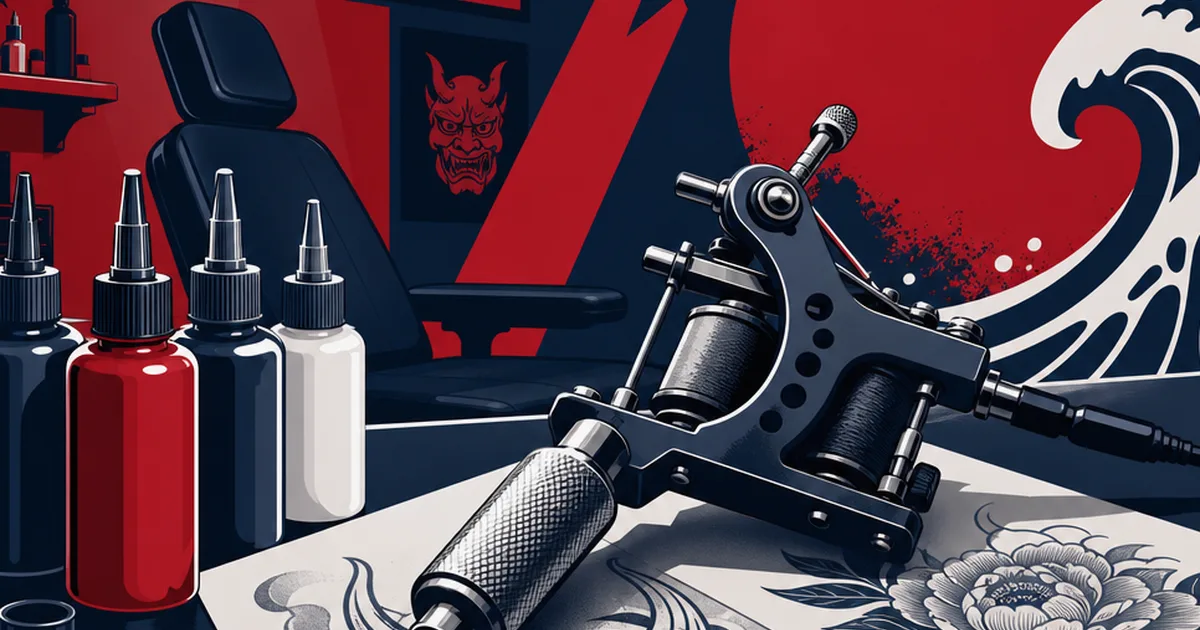
A tattoo breaks the skin thousands of times, which means hygiene is not a nicety — it is the whole ballgame. A clean studio makes infection vanishingly rare; a dirty one can transmit serious bloodborne illness. The good news is you don't need to be an expert to judge safety. You need to know what a professional setup looks like and which shortcuts should send you straight back out the door.
The Non-Negotiables of a Safe Studio
- Single-use, sterile needles opened from a sealed pouch in front of you — every time.
- Fresh gloves worn throughout, changed whenever the artist touches anything non-sterile.
- An autoclave (a heat-sterilizer) for any reusable tools, with spore-testing records.
- Disposable barriers (plastic wrap or covers) over the machine, clip cord, bottles, and chair.
- Single-use ink caps poured fresh for you and thrown away after — never dipped back into a shared bottle.
- A clean, well-lit, uncluttered space and a sharps container for used needles.
How Bloodborne Risk Actually Works
The real danger from unsafe tattooing is transmission of bloodborne pathogens such as hepatitis B, hepatitis C, and HIV, plus bacterial skin infections. These spread when equipment or ink is shared between clients or when surfaces aren't disinfected. A licensed artist trained in bloodborne-pathogen safety eliminates that risk with single-use supplies and proper barriers.
This is why 'scratchers' working out of homes or kitchens with reused equipment are genuinely dangerous, no matter how good their art looks online.
Licensing, Inspections, and Paper Trails
In most places, studios and artists must be licensed and pass health-department inspections. Ask to see the studio's license and the artist's bloodborne-pathogen certification — a professional will show you without hesitation. Many jurisdictions post inspection results publicly. If someone gets defensive about basic questions, that is your answer.
Red Flags That Mean Walk Out
- Needles not opened from sealed packaging in front of you.
- No gloves, or the same gloves touching a phone, doorknob, then your skin.
- Ink poured from a shared bottle into caps used on other clients.
- A dirty, cluttered station or visible reuse of tubes and needles.
- No license on display and reluctance to answer hygiene questions.
- Pressure to skip the consultation or paperwork.
Your Half of the Bargain
Safety is a two-way street. Be honest on your medical intake form about conditions, medications, and allergies. Don't come in sick, sunburned over the area, or intoxicated. Most importantly, follow aftercare precisely — the cleanest studio in the world can't protect a tattoo you neglect once you get home.
Before you book
- Needles must be single-use and opened from a sealed pouch in front of you.
- Gloves, barriers, an autoclave, and single-use ink caps are non-negotiable.
- Unsafe tattooing risks hepatitis, HIV, and bacterial infection.
- Ask to see licensing and bloodborne-pathogen certification.
- Follow aftercare — safety continues after you leave the chair.