Everything You Need to Know About Tattoo Basics
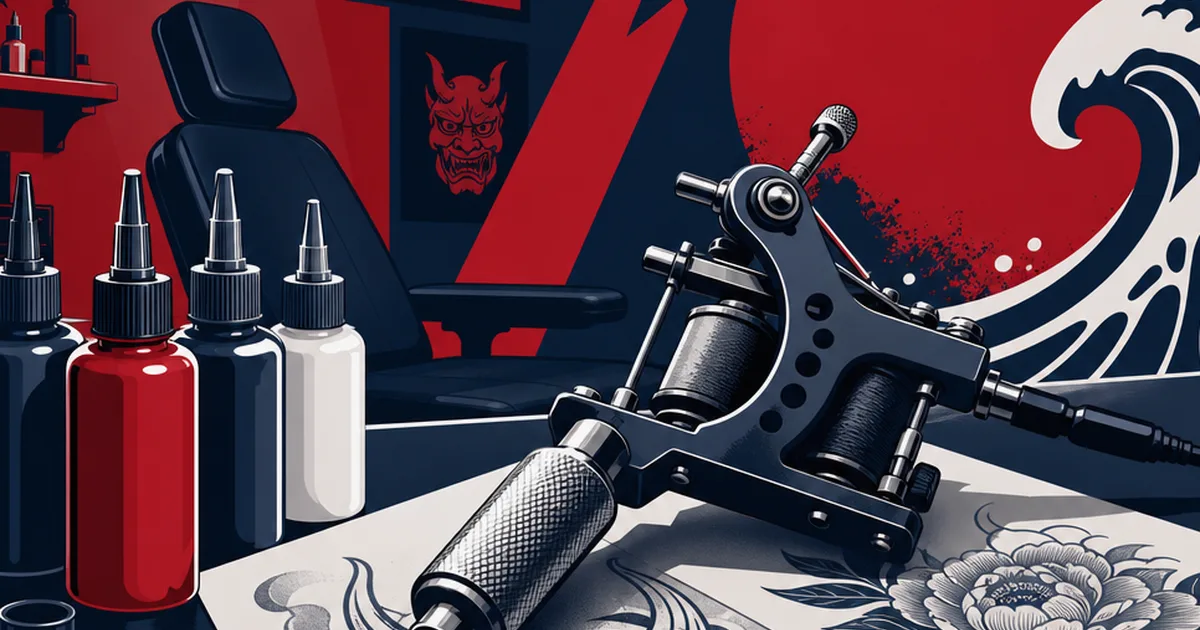
If you've never been tattooed, the whole thing can feel like an insider world with unwritten rules. It isn't complicated once someone explains it plainly. This is the ground-floor guide &mdash how tattoos physically work, what the process looks like from first idea to fully healed, and the handful of things every first-timer genuinely needs to know before they book.
What a Tattoo Actually Is
A tattoo machine drives needles in and out of the skin hundreds of times a second, depositing ink into the dermis &mdash the stable layer beneath the surface. Because that layer doesn't shed like the outer skin, the ink stays for life (softening slightly over the years). That's also why a fresh tattoo is a genuine wound that needs proper aftercare to heal well.
The Process, From Idea to Ink
- Consultation: you discuss design, size, placement, and price with an artist.
- Booking and deposit: you reserve a slot, usually with a deposit applied to the total.
- Stencil and placement: on the day, the artist applies a stencil for you to approve in the mirror.
- Lining and shading: the tattoo is drawn in, starting with outlines, then shading and color.
- Bandaging and aftercare: it's wrapped, and you follow a care routine for the coming weeks.
What to Expect on Cost and Pain
Pricing depends on size, detail, and artist, and nearly every shop has a minimum price. Pain is real but manageable &mdash most describe a hot-scratching sting that's easiest on padded areas like the outer arm. Neither should scare you off; both are predictable once you know the ranges and prepare properly.
Hygiene: The One Thing You Can't Compromise
Because a tattoo breaks the skin, a clean, licensed studio is essential. Insist on single-use needles opened in front of you, fresh gloves, and a sanitized station. Reputable studios do this as a matter of routine. This is the non-negotiable that protects you from infection and bloodborne illness.
Starting Smart as a Beginner
- Pick a design you'll still connect with in a decade, not a passing trend.
- Choose an artist by portfolio and style, not by the lowest price.
- Start with a lower-pain, easily-hidden placement.
- Sleep, eat, and hydrate before your appointment; skip alcohol.
- Take aftercare seriously &mdash healing is half the result.
Before you book
- Tattoos deposit ink into the stable dermis, so they're permanent.
- The process runs from consultation to healed over several weeks.
- Cost depends on size and artist; pain is manageable and predictable.
- A clean, licensed studio with single-use needles is non-negotiable.
- Start smart: right design, right artist, easy placement, real aftercare.